Follow Me On Social Media!

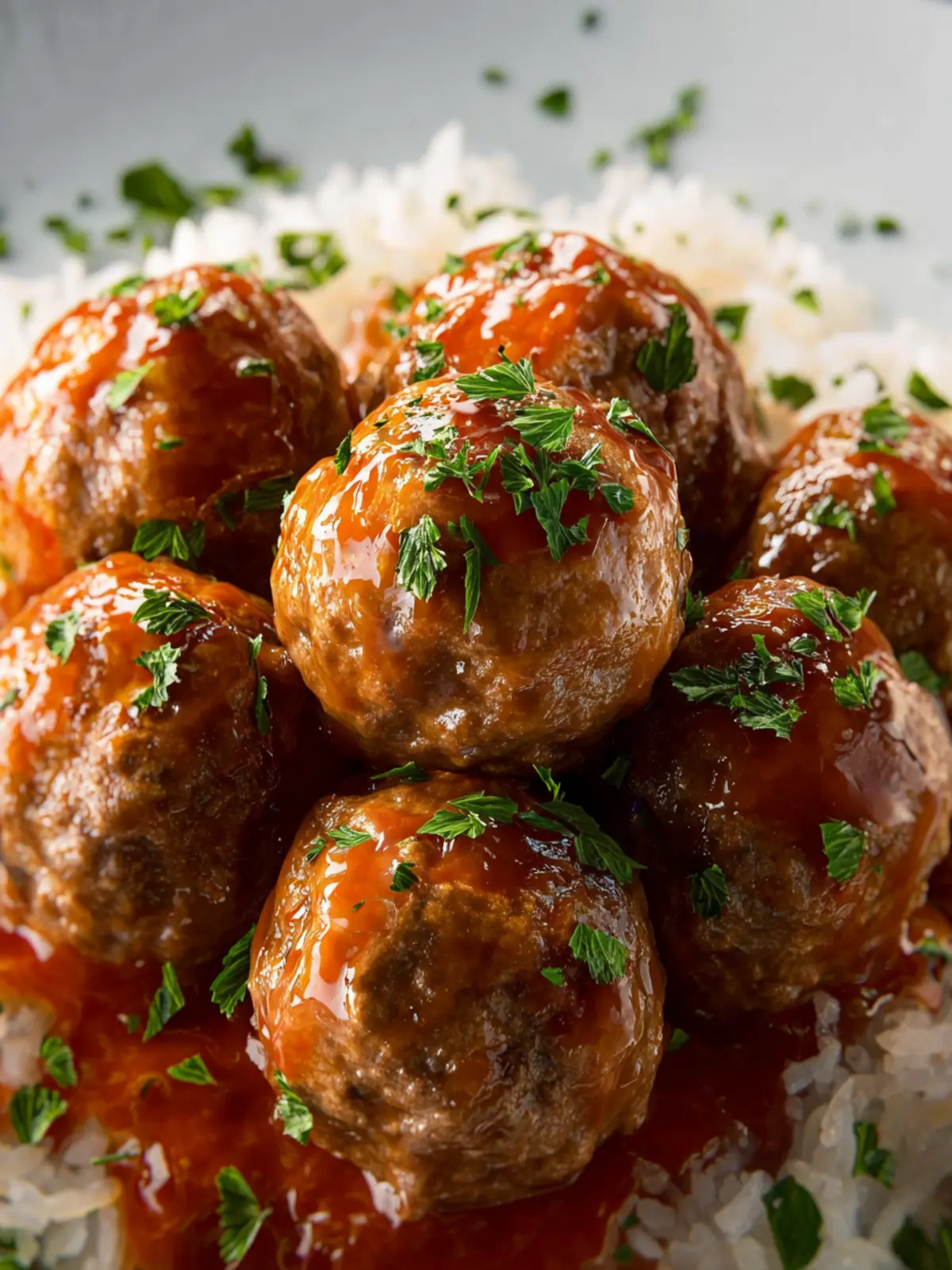
Porcupine Meatballs: Juicy, Comforting Dinner Delight

Introduction to Porcupine Meatballs
Imagine walking into a kitchen filled with the warm, savory aroma of porcupine meatballs, a dish that feels like a hug from the past. These delightful meatballs, dotted with rice that resembles quills, not only look charming but also carry a nostalgia that pulls you back to family gatherings and cozy dinners. Originating during the mid-20th century, this dish reminds many of simpler times, where meals were often homemade and shared at the dinner table.
It’s easy to see why porcupine meatballs evoke fond memories—they’re comforting, hearty, and incredibly easy to prepare. As a young professional, you may find yourself craving the familiar tastes of childhood, and this recipe serves as the perfect gateway back to those moments. Not only do they embody the spirit of home-cooked meals, but they also provide a satisfying balance of protein and carbohydrates that make for a wholesome meal after a long day.
What makes Porcupine Meatballs so nostalgic?
The appeal of porcupine meatballs lies in their simplicity and the stories they tell. Perhaps you remember your grandmother stirring a pot on the stove, or family members gathered around the table as you eagerly awaited the first serving. Each bite is not just a collision of flavors; it’s a walk down memory lane. The tender beef, fluffy rice, and tangy tomato sauce mingle together to evoke a sense of comfort and belonging.
Moreover, this dish consistently reminds us of the importance of coming together and sharing meals, something that can sometimes be lost in the hustle of daily life. The creativity behind porcupine meatballs is also noteworthy. You can easily adapt the recipe with your favorite spices, or tweak the ingredients to cater to dietary preferences without losing the essence of what makes them special. They’re more than just food; they’re a vessel of nostalgia, a celebration of shared experiences, and a testament to the love baked into every meal.
Whether you’re preparing them for yourself, a partner, or a gathering of friends, porcupine meatballs will surely bring a smile to everyone’s face. So roll up your sleeves, and let’s dive into the comfort and joy that these meatballs have to offer!
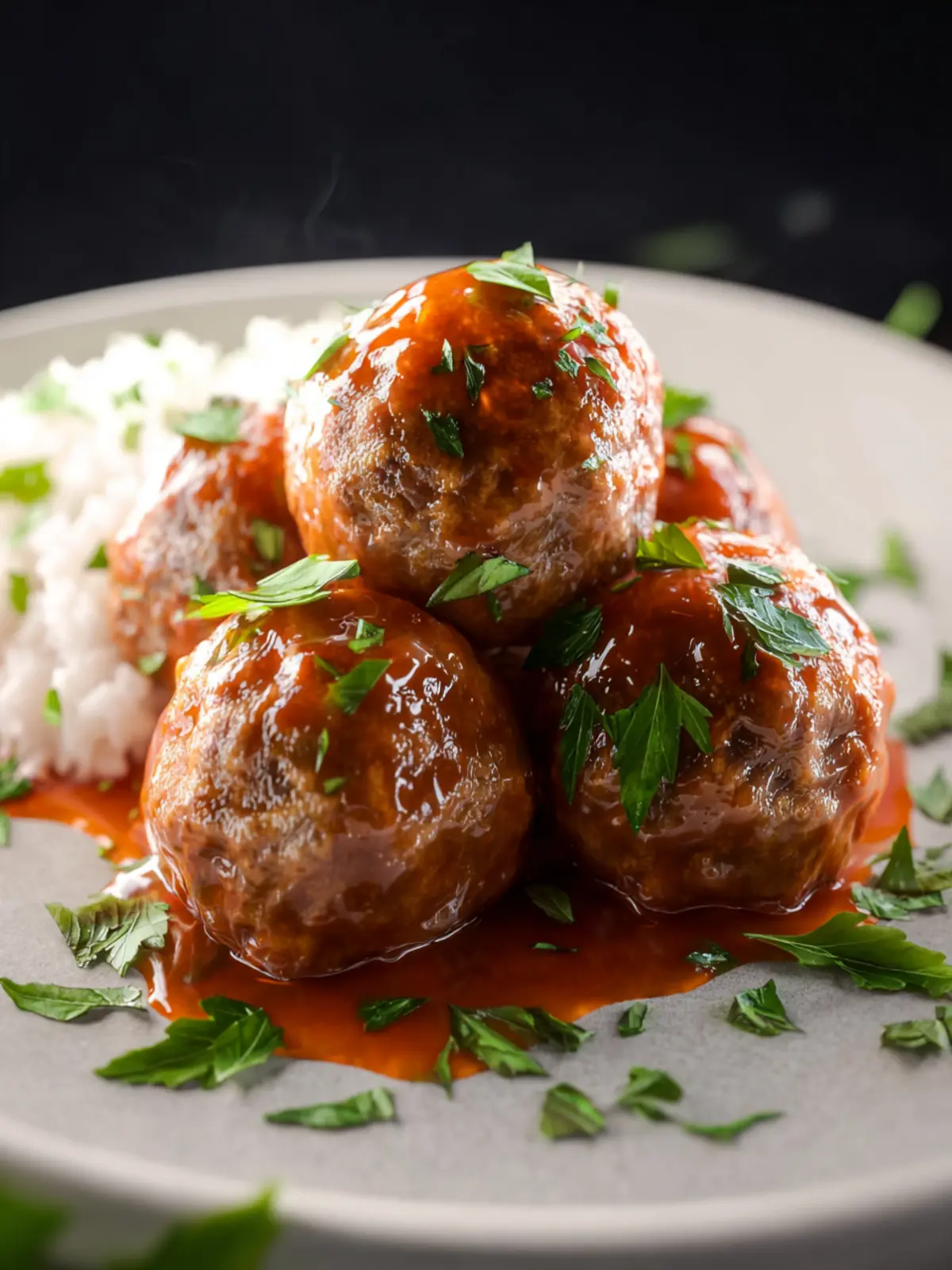
Key Ingredients for Porcupine Meatballs
Porcupine meatballs are a delightful twist on traditional meatballs, combining the best of flavors and textures. These savory orbs are not just appealing to the eye, but they also carry a comforting nostalgia that brings me back to family dinners. The secret lies in using the right ingredients that create that signature flavor profile.
-
Ground Beef: For the main protein, I prefer using lean ground beef. It provides the perfect base for our meatballs, ensuring they’re flavorful and not overly greasy. Ground turkey can be a lighter option if you’re looking to reduce fat.
-
Rice: This is where the “porcupine” magic happens! Uncooked long-grain rice is mixed directly into the meat mixture, allowing it to cook as the meatballs bake. It adds a unique texture and volume to each bite.
-
Onion: Freshly chopped onion adds a savory depth, enhancing the overall flavor. I recommend using yellow onion for its mellow sweetness.
-
Tomato Sauce: A tangy tomato sauce is essential, not just for cooking the meatballs, but also for drizzling over the top when you serve them. It brings a comforting richness that’s truly irresistible.
-
Seasonings: A blend of salt, pepper, garlic powder, and Italian herbs complements the other ingredients beautifully, adding just the right amount of zest.
Perfecting porcupine meatballs comes down to balancing these ingredients, ensuring that every bite is filled with warmth and homey satisfaction.
Why You’ll Love Porcupine Meatballs
Imagine a meal that combines the comforting heartiness of classic meatballs with a touch of whimsical charm—that’s exactly what porcupine meatballs deliver! These dishes not only look delightful with their rice “quills” peeking out but also provide a mouthwatering flavor profile that keeps you coming back for seconds.
A Family Favorite
You might recall those cozy evenings filled with laughter and the aroma of meatballs simmering on the stove. Porcupine meatballs are not just a culinary treat; they’re a nostalgic journey back to family dinners and carefree days. The combination of ground meat, rice, and a rich tomato sauce creates a unified flavor that warms the heart.
Simplicity and Satisfaction
The beauty of porcupine meatballs lies in their simplicity. With just a handful of ingredients, including ground beef, rice, and seasonings, you can whip up an irresistible dish that fits perfectly into any busy weeknight schedule. The best part? They freeze beautifully, making them a great meal prep option to have on hand.
Versatile and Customizable
Porcupine meatballs are incredibly versatile. Whether you prefer them spicy with added jalapeños or hearty with extra veggies, there’s room for creativity. You can easily modify the recipe to fit your dietary preferences.
So, next time you need a quick yet comforting meal, turn to these delightful porcupine meatballs, and enjoy the culinary journey they bring—full of flavor and fond memories!

Cooking Tips and Notes for Porcupine Meatballs
Creating porcupine meatballs can be a delightful experience. These savory bites are not only fun to make, but they’re also a nostalgic dish for many. Here are some tips to help you master this recipe.
Choosing the Right Rice
For those porcupine meatballs, using long-grain rice is essential. It cooks perfectly in the sauce without getting mushy. If you want to experiment, consider using brown rice for a nutty flavor and added nutrients; just keep in mind it will take longer to cook.
Balancing Seasonings
Don’t be shy with the seasonings! A sprinkle of garlic powder or dried herbs can elevate the flavor. Remember that fresh chopped herbs, like parsley or basil, can add a burst of freshness just before serving.
Achieving the Perfect Texture
Texture is key in porcupine meatballs. Combine the ground meat gently with the remaining ingredients—overmixing can lead to a dense result. When shaping the meatballs, think about a balance between firmness and softness for that ideal bite.
Cooking Method Matters
Slow cooking is a great way to go when preparing these meatballs. Not only does it enhance the flavors, but it also ensures tenderness. If you’re short on time, browning them in a skillet before simmering can give a lovely crisp to the outside while keeping the inside juicy.
Pairing Suggestions
Serve your porcupine meatballs over a bed of rice or pasta, adding the saucy goodness as a topping. A side of steamed veggies can cut through the richness and make it a well-rounded meal.
With these tips, you’ll not only make delicious porcupine meatballs, but you’ll also impress those lucky enough to share your meal. Happy cooking!
Serving Suggestions for Porcupine Meatballs
Bringing porcupine meatballs to the table not only promises a delightful meal but also opens up a world of serving options that can elevate your dining experience. Picture this: you’ve crafted juicy meatballs with rice peeking out like little quills, and now it’s time to think about what will complement their unique texture and flavor.
Pairing with Sides
- Mashed Potatoes: Creamy mashed potatoes create a comforting base that allows the meatballs to shine through. The richness of the potatoes balances the savory flavors beautifully.
- Steamed Vegetables: Brightly colored veggies like broccoli or carrots add nutritional value and crunch. Their fresh notes contrast nicely with the hearty meatballs.
Saucy Enhancements
- Tomato Sauce: A warm, robust tomato sauce drizzled over your porcupine meatballs not only enhances visual appeal but also adds another layer of flavor. Serve it over a bed of spaghetti for a classic dinner.
- Sweet and Sour Sauce: For a twist, consider a sweet and sour glaze. It brings a fun contrast that appeals to taste buds seeking a bit of adventure.
Garnish and Extras
- Fresh Herbs: Sprinkling fresh parsley or basil on top catches the eye and brightens each bite. These herbs provide a fragrant finish that contrasts well with the hearty meat mixture.
- Crusty Bread: Don’t forget to serve with a side of crusty bread. It’s perfect for soaking up any leftover sauce, making for a fulfilling meal.
With these suggestions, your porcupine meatballs will go from delicious to memorable, making each meal a delightful experience.

Time Breakdown for Porcupine Meatballs
Creating porcupine meatballs is not just about the delightful flavor; it’s also a fun, engaging experience in your kitchen. Let’s break down the time you’ll need to whip up this comfort food classic.
Preparation Time
Expect to spend about 15 minutes prepping your ingredients for these delicious porcupine meatballs. Chopping, mixing, and rolling can be a rewarding part of the cooking process, so enjoy the creativity!
Cooking Time
Once you’re ready to cook, plan for around 30 minutes. This includes browning the meatballs and allowing them to simmer in the rich tomato sauce that brings all the flavors together.
Total Time
In total, you’ll be looking at approximately 45 minutes from start to finish. That’s just enough time to set the table, gather your loved ones, and share the joy of a homemade meal!
Nutritional Facts for Porcupine Meatballs
Porcupine meatballs aren’t just delicious; they also pack a nutritional punch that can fit into a balanced diet. Let’s break down what makes these meatballs a healthy choice.
Calories
A serving of porcupine meatballs typically contains around 250 calories. This makes them a satisfying yet moderately calorie-conscious option for dinner, especially when served with a side of vegetables or whole grains.
Protein
These delightful meatballs are a great source of protein, providing approximately 20 grams per serving. This protein content not only helps with muscle maintenance but also keeps you feeling full longer, perfect for those busy evenings.
Sodium
When it comes to sodium, a serving of porcupine meatballs has about 500 milligrams. While it’s essential to monitor sodium intake, this amount falls within a reasonable range, especially when balanced with low-sodium sides like steamed vegetables or brown rice.
Enjoying porcupine meatballs can be both a delightful culinary experience and a step towards meeting your nutritional goals.
FAQs about Porcupine Meatballs
If you’ve stumbled upon porcupine meatballs, you’re likely curious about how to make this comforting dish even more adaptable in your kitchen. Let’s dive into some common questions and get you cooking!
Can I use a different type of meat?
Absolutely! While traditional porcupine meatballs typically feature ground beef, you can easily swap it out for other proteins like ground turkey, chicken, or even plant-based alternatives. Just be mindful that the cooking time might fluctuate slightly depending on the meat’s fat content and density. For instance, turkey tends to be leaner, so you might consider adding a bit more moisture, like an extra egg or a splash of broth, to keep them tender.
What can I substitute for rice?
Rice serves as the perfect binding agent in porcupine meatballs, but if you’re looking for alternatives, consider using quinoa, couscous, or even cauliflower rice. Each option brings its own unique flavor and texture. Quinoa is a protein powerhouse and can lend a nutty taste; cauliflower rice will make your dish lighter and lower in carbs.
How do I store leftovers?
Once you’ve enjoyed your hearty porcupine meatballs, storing leftovers is easy. Place them in an airtight container in the refrigerator, where they’ll last for about 3 to 4 days. If you want to keep them longer, you can freeze the meatballs for up to 3 months. Just make sure to cool them completely before freezing! When you’re ready to enjoy them again, reheat in the oven or on the stovetop for that fresh-out-of-the-oven taste.
Embrace the versatility of porcupine meatballs, and don’t hesitate to get creative with ingredients!
Conclusion on Porcupine Meatballs
In exploring the delightful world of porcupine meatballs, we’ve uncovered a dish that beautifully marries comfort and nostalgia. These meatballs, infused with rice and simmered in a flavorful tomato sauce, are not just a meal—they’re a cozy embrace on a plate. Consider making these a staple in your kitchen; they’re perfect for busy weeknights or casual gatherings with friends. The joy of crafting them alongside loved ones can turn a simple recipe into a cherished tradition. So gather your ingredients, roll up your sleeves, and let the aroma of porcupine meatballs fill your home with warmth and satisfaction.
Print
Meatballs in Tomato Sauce
- Total Time: 45 minutes
- Yield: 4 servings 1x
- Diet: None
Description
Delicious meatballs made with ground beef and rice, cooked in a savory tomato sauce.
Ingredients
Scale
- 1 pound lean ground beef
- ½ cup uncooked minute rice
- ½ cup finely chopped onion
- 1 large egg
- 1 teaspoon garlic powder
- 1 teaspoon onion powder
- 1 teaspoon salt
- ½ teaspoon black pepper
- 1 10-ounce can condensed tomato soup
- ¾ cup water
- 1 teaspoon Worcestershire sauce
Instructions
- Preheat oven to 350º F.
- In a large bowl mix together ground beef, rice, onion, egg, garlic powder, onion powder, salt and pepper until well combined. Shape into about 16 meatballs.
- Heat a large skillet to medium high heat. Add meatballs and brown for 4-5 minutes, turning them every minute or so.
- Mix together tomato soup, water and Worcestershire sauce. Pour over meatballs or pour into a casserole dish and add meatballs. Cover and place in the oven for 15 minutes.
- After 15 minutes, remove the lid, spoon the sauce over the meatballs and continue to bake for 15 more minutes until the meatballs are cooked through.
- Remove and serve over rice or mashed potatoes with the sauce.
Notes
- For extra flavor, you can add herbs like parsley or basil to the meat mixture.
- This dish pairs well with steamed vegetables.
- Prep Time: 15 minutes
- Cook Time: 30 minutes
- Category: Main Dish
- Method: Baking
- Cuisine: American
Nutrition
- Serving Size: 4 meatballs
- Calories: 300
- Sugar: 5g
- Sodium: 800mg
- Fat: 15g
- Saturated Fat: 5g
- Unsaturated Fat: 8g
- Trans Fat: 0g
- Carbohydrates: 30g
- Fiber: 1g
- Protein: 20g
- Cholesterol: 70mg